A Photo Essay: Writing around the House (the subtitle is, I trust, self-explanatory).
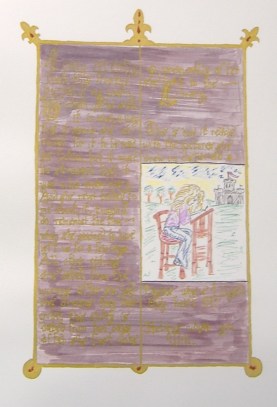
I had the great pleasure of taking an art history class on illuminated manuscripts in grad school. My design for an introductory page and what they call an ‘author’s portrait’ (see illustration for Exhibit K.):
A typical legal form document–the Terms & Conditions of Joab’s pet insurance:
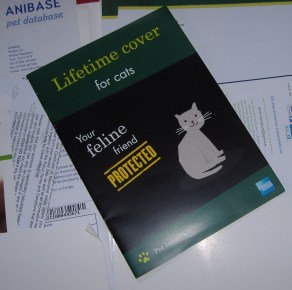
Without writing, there would be no history.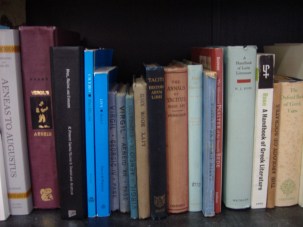
And very likely, not much of any other discipline. Thankfully, the preservation of the works not only of ancient literary geniuses of prose and poetry, but also of ancient historiographers, provides us a tangible link with the people of the past.
Without 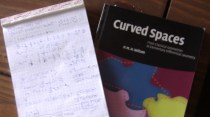 writing, no mathematics. The world without geometry: no astronomy, no navigation, no architecture…
<–Some of the man’s project notes, and a possible textbook for a course he’s teaching next term.
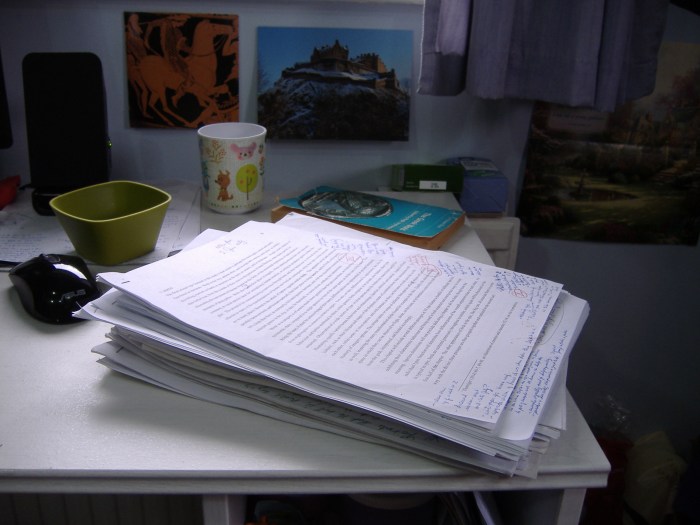
^Drafts of a dissertation.^
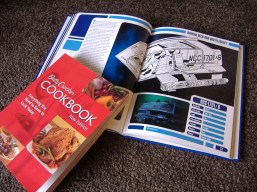 We use writing to pass on culinary traditions and techniques…
and to make advancements in spacecraft design.
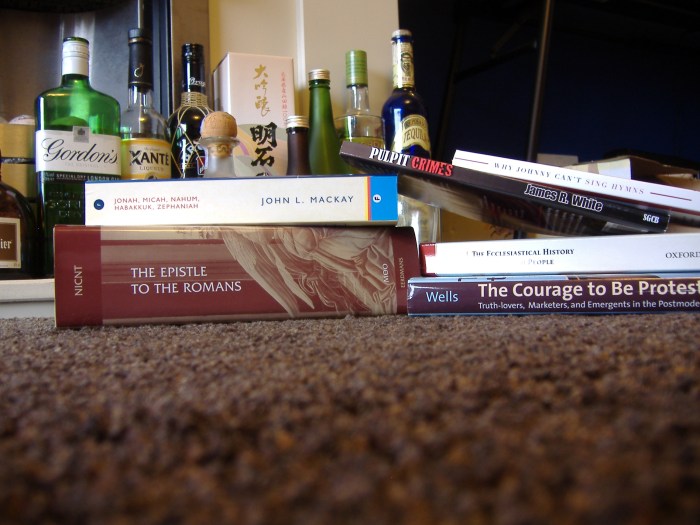
For exegesis, church history, social commentary, theology and analysis of worldview:
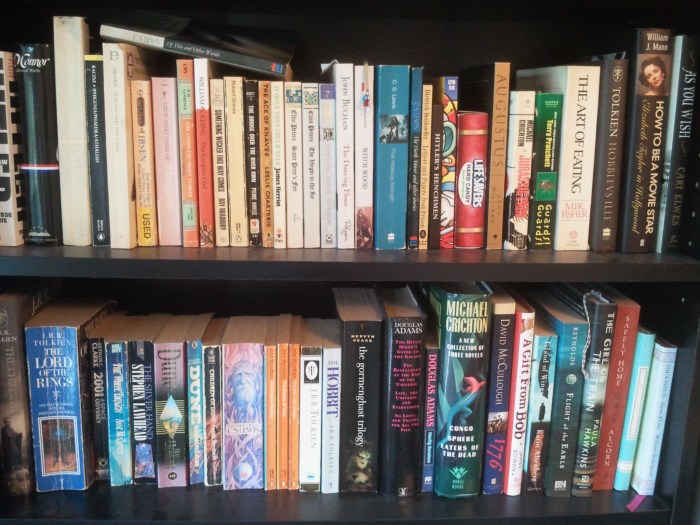
For fun and for art, exploring and elevating the True, the Good, and the Beautiful:
Here we find writing combined with other components of packaging design to make important distinctions between similar products:

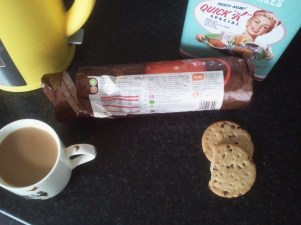
Listing nutritional information and ingredients in a pack of biscuits, so you know what Mr. Sainsbury puts in his product…
and how guilty you should feel:
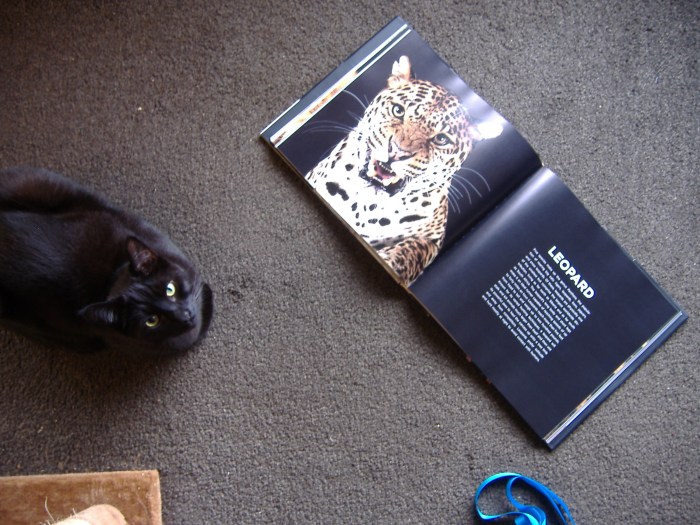
Text accompanying the photography of a typical ‘coffee table’ book:
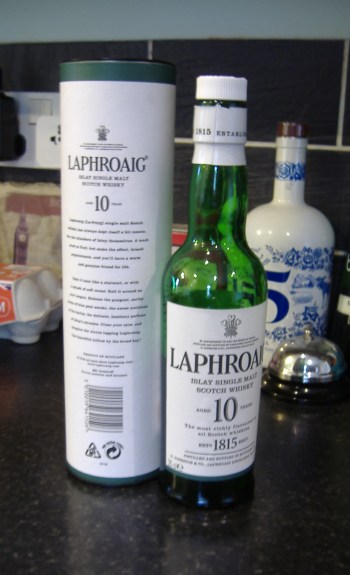
As everyone knows, experiencing a fine single malt isn’t complete without knowing its story.
Most stories wouldn’t be known without writing–even films and television programmes require what’s called a script, which is produced by screenwriters. Stories for public consumption in old-fashioned print can be found in magazines and local newspapers:
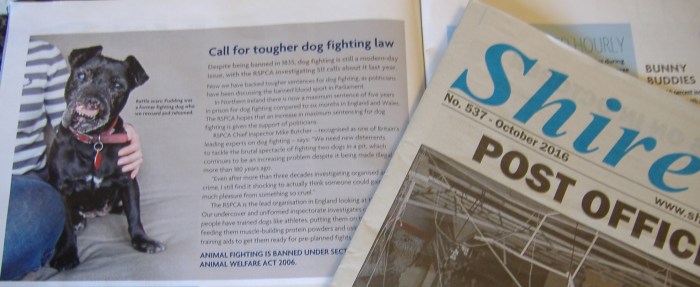
^ Note that, while ‘a picture paints a thousand words’, it is the caption provided for the photo in the RSPCA blurb on the left that makes it meaningful for messaging, namely, for raising awareness about the effort to tighten up legislation on dog fighting and animal baiting. Without the printed word, all we would know from the dog’s portrait is that she has suffered. With no context, we have no direction on how we should respond to the image, because we don’t know Pudding’s story, and don’t know why the magazine editors have included her picture, except in the most general sense (since it is the RSPCA’s publication).
More writing on writing in the sequel to this post!
 A Christian Education: Exposing Injustice & Incompetence in the Church
3 thoughts on “Literacy, Pt.1: A Photo ‘Essay’”